
Transaction details are for registered readers. Sign in to request access. ICONIC reviews every request.
- ICONIC PPP TeamService | PPP
- ICONIC Infrastructure TeamSector | Infrastructure
 Georgos S. AndrianopoulosCFO & Family Office Project Finance Investment
At a glance
- Asset
- São Paulo Metro Line 4, Brazil
- Amount
- For approved readers
- Sector
- Public transport | Brazil
ICONIC's role
On São Paulo Metro Line 4, ICONIC Project Finance Advisory set the procurement objectives, chose the bid variables and evaluation method, and prepared the terms of reference and request-for-proposal documents. The objectives were value for money, government control of fares, and integration with network-wide ticketing. The 30-year concession, awarded to the ViaQuatro consortium in 2006, was among the first PPPs under Brazil's 2004 PPP law and introduced the country's first driverless trains. The work sits with ICONIC's PPP Team and its Infrastructure Team. The services on the page are Public-Private Partnerships and policy and planning, and the page lists Georgos S. Andrianopoulos, CFO & Family Office Project Finance Investment. Transaction details are available to registered readers.
The asset
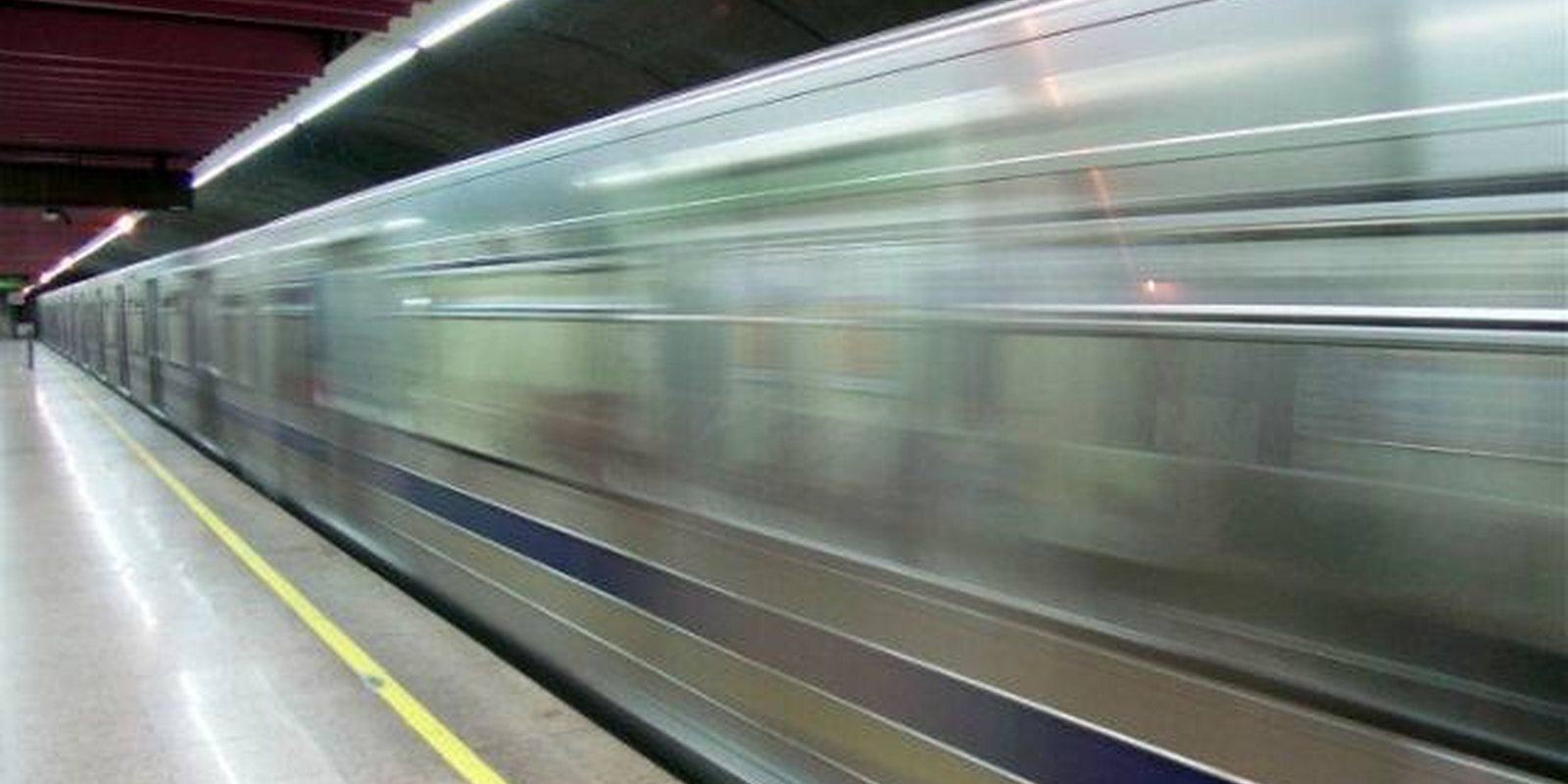
Line 4, the Yellow Line, is a metro line in São Paulo of about 10 km. Construction started in 2004. The first stretch opened in May 2010, and the line came into full operation in phases over about two years. A World Bank and Imperial College study of the network reports that the line carries about 700,000 passengers a day, within 5% of the forecast made by the metro company two decades before opening.
The PPP
Line 4 was procured under Brazil's PPP law of 2004. In November 2005 the São Paulo state government announced it would bid a 30-year contract. The contract was signed in 2006 with ViaQuatro, a consortium led by CCR with Mitsui, Montgomery and RATP.
The work was split between public and private:
- The state metro company designed the line and contracted the civil works, track and rails as a public project.
- The concessionaire provided the rolling stock, signalling and communications, fitted out the stations, and operates the line for 30 years from the start of operations.
How the bid was structured
Three features of the contract match the objectives on this page.
Government control of fares. The concessionaire does not set the fare. It is paid a remuneration tariff per passenger, with exclusive Line 4 passengers counted in full and passengers transferring from other lines at half. Twenty percent of the payment depends on service and maintenance quality indicators.
Integration with network-wide ticketing. Line 4 accepts the city's integrated smart card, and passengers change between rail lines without paying again. About 90% of the line's passengers travel on integrated fares.
Sharing demand risk. The concessionaire carries demand risk within 10% above or below the forecast. Beyond that band, 90% of the difference passes to the state or to the concessionaire, for six years after the last stretch opens. Academic work on the contract describes the government supports in the bid documents as subsidy payments and a minimum demand guarantee.
The gap: G4 Public
The page carries the G4 gap, which the site describes as "the state cannot build or fund it on its own". On Line 4 the state kept what it could best build and paid for (the tunnels and track) and passed to the private partner what it could best supply and run (the trains, the systems and the operation). The bid variables decided how the two would share fares and ridership.
What the case shows
For a government preparing a transport PPP, the case shows:
- Objectives first: value for money, fare control and ticket integration were set before the bid variables were chosen.
- Splitting the asset: civil works can stay public while the systems and operation become a PPP.
- Bounded demand risk: a band around the forecast, with sharing beyond it, gives bidders a risk they can price and protects the state from windfalls.
For an investor, it shows what a concession looks like when the fare is not the operator's to set: the revenue depends on the remuneration formula, the ridership band and the quality indicators.
More on the site: Public-Private Partnerships and the Insight Club deals with a lender's discipline. To discuss a similar project, use the pre-screen or write to .
Sources
- The Operator's Story: Notes from São Paulo Case Study Interviews, Railway and Transport Strategy Centre, Imperial College London, with the World Bank, February 2017
- Government Supports in Public–Private Partnership Contracts: Metro Line 4 of the São Paulo Subway System, Journal of Infrastructure Systems, vol. 18, no. 3, American Society of Civil Engineers, 2012
Raising finance for a similar asset? Two minutes to see whether it is bankable, then a director replies.
Looking to invest in or lend to a similar asset? Tell us what you are looking for, and a director replies.