
Transaction details are for registered readers. Sign in to request access. ICONIC reviews every request.

- ICONIC Financial Modelling TeamService | Financial modelling
- ICONIC Energy TeamSector | Energy
 Georgos S. AndrianopoulosCFO & Family Office Project Finance Investment
At a glance
- Asset
- Noor Ouarzazate solar complex, Morocco
- Amount
- For approved readers
- Sector
- Solar power | Morocco
ICONIC's role
On the Noor Ouarzazate solar complex in Morocco, ICONIC Project Finance Advisory provided model audit services, including a full tax and accounting review, and advised the lenders EIB, KfW and AfDB on a direct loan facility for the 500 MW programme developed by MASEN. The work sits with ICONIC's Financial Modelling Team and its Energy Team. The services on the page are financial modelling and project finance transactions, and the page lists Georgos S. Andrianopoulos, CFO & Family Office Project Finance Investment. Further transaction details are available to registered readers.
The asset
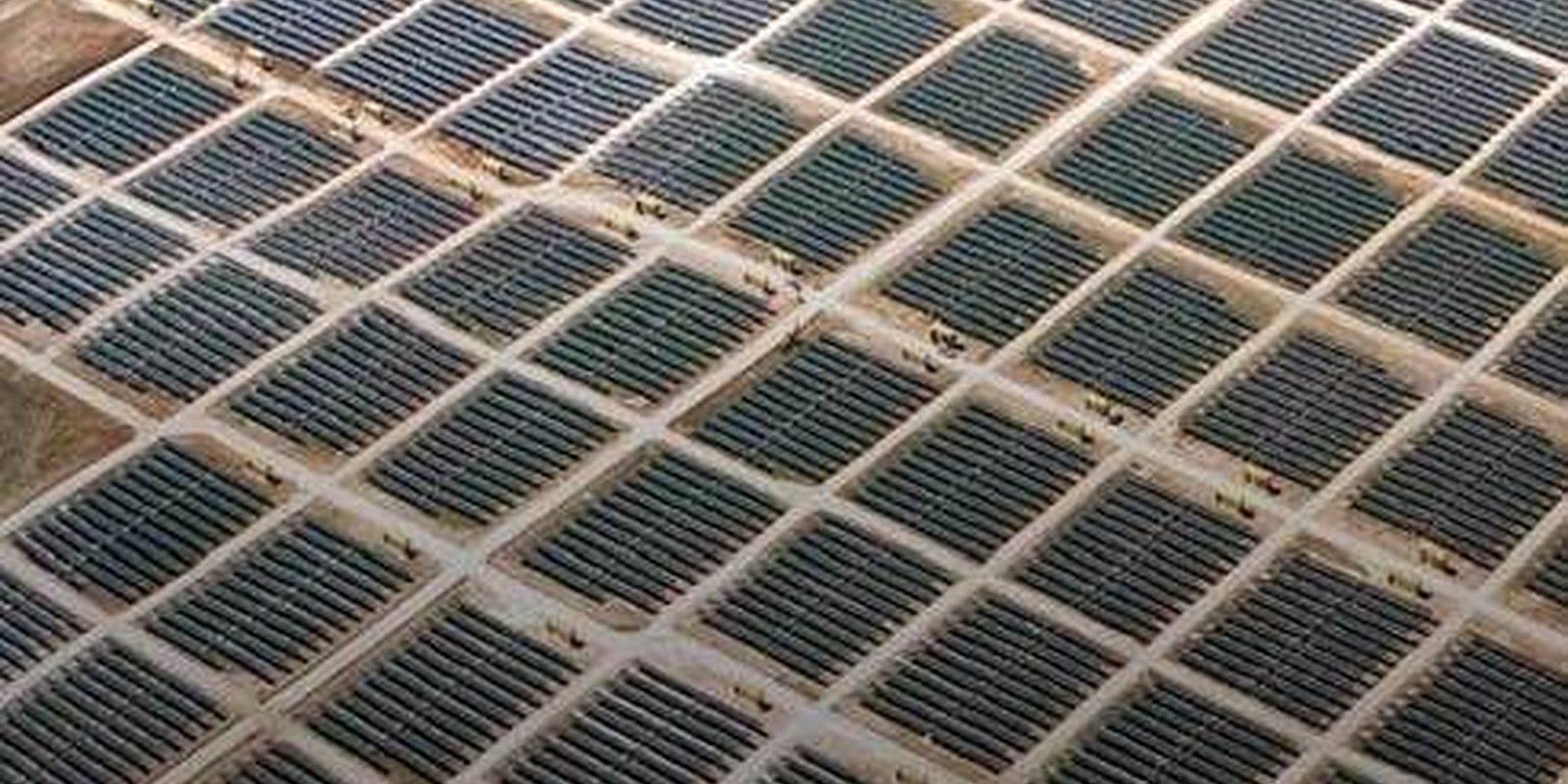
Noor Ouarzazate is a solar power complex near Ouarzazate, built in phases under Morocco's solar programme. The multilateral development banks describe:
- Noor I: 160 MW, commissioned in February 2016.
- Noor II: 200 MW, parabolic trough concentrated solar power (CSP).
- Noor III: 150 MW, tower CSP.
The structure
The complex is a public-private partnership. The Moroccan Agency for Solar Energy (MASEN) receives the loans from the development finance institutions and lends them on to the project companies. That is why the development banks describe an on-lending structure. The private sponsors are responsible for engineering, financing, procurement, construction, ownership, operation and maintenance.
For Noor II and Noor III, the development banks name the parties:
- Shareholders: ACWA Power, Sener and MASEN in Noor II; ACWA Power and MASEN in Noor III.
- Lenders: KfW, the World Bank (IBRD), EIB, AfDB and AFD, with funding from the Clean Technology Fund and a European Commission grant.
Seven development finance institutions provided debt in total.
Why a model audit matters here
A financing of this size, with several lenders, an on-lending agency and private sponsors, rests on a single financial model. It forecasts the plant's output, revenue and costs, and it tests whether the debt can be repaid. Every lender relies on it. A model audit checks that the model's calculations are correct and that it reflects the contracts. The tax and accounting review checks that the model treats taxes, depreciation and accounting entries as the law and the standards require. In a cross-border structure with on-lending, these are the points where small errors can change the cash available to repay debt.
For the lenders, an independent audit gives a common basis for their credit decisions, so each does not have to rebuild the model itself.
The gaps: G1 Tenor and G5 Proof
The page carries two of ICONIC's financing gaps:
- G5 Proof: lenders need numbers they can trust. The model audit is the proof.
- G1 Tenor: the debt runs longer than the contracts behind it. Long-term development finance has to be matched to the plant's long-term revenue.
What it shows
For lenders in a multi-lender project, the case shows the value of one independent audit of the model that all of them use. For a sponsor, it shows what lenders will test: the calculations, the contracts behind the numbers, and the tax and accounting treatment.
Related reading on the site: Direct deals without a deal team, Exit by design and Club deals with a lender's discipline. To discuss a model audit or a similar project, use the pre-screen or write to .
Raising finance for a similar asset? Two minutes to see whether it is bankable, then a director replies.
Looking to invest in or lend to a similar asset? Tell us what you are looking for, and a director replies.